Threatening the paradigm.
Everything in biology depends on the internal order of cells, and on the interactions of each cell with its surroundings. All of these orderly interactions involve contacts between biological molecules and water. The forces regulating interactions on that scale must be understood before life can be understood, but the nature of the forces at these interfaces has been controversial for 100 years.
In 1953, physicist Irving Langmuir gave a talk at the General Electric laboratory about what he called “pathological science.” That talk is still resonating in the scientific culture, and it is used to reinforce attitudes similar to those held by Langmuir, i.e., the dominant scientific paradigm of the 20th century, and to justify certain institutions that regulate innovation.
For Langmuir, there was a clearly defined “scientific method,” and he said some people were led away from the proper method by wishful thinking to interpret ambiguous results as confirmations of their hypothesis. He listed 6 symptoms of pathological science: 1) An effect produced by a barely detectable cause, and 2) the effect is barely detectable, or many measurements are needed because of the very low statistical significance of the results, 3) claims of great accuracy, 4) they involve fantastic theories contrary to experience, 5) criticisms are met by ad hoc excuses, and 6) the ratio of supporters to critics approaches 50%, then fades toward zero. He failed to mention these features in any research that supported his view of things, and called an idea pathological when people continued to work on it despite disapproval by the recognized experts. He didn’t mention the Nobel prizes that were given for the worm theory of cancer or for treating psychological problems with lobotomies, and he didn’t mention that there were organized campaigns against the publication of disapproved ideas.
The dominant view in biology, which is analogous to Langmuir’s view in physics, is that all decisive cellular processes involve the direct mechanical contact of one molecule with another, the activation of a lock (an enzyme or receptor) by a key that has the right shape, or the adhesion of a molecule to another substance according to its chemical composition. An alternative view, now clearly supported by the evidence, is that there are forces that aren’t merely between molecular surfaces, but rather that the local conditions at the surfaces of proteins and other molecules, and the properties of the solvent water, are modified by the surrounding conditions. It is this alternative view that is now making progress in understanding disease and health, regeneration and degeneration. But to judge the new work, it’s important to know the nature of the opposition.
Thomas Edison, who was adept at publicizing himself as the inventor of ideas he had bought or stolen, founded General Electric. Attempting to eliminate Nikola Tesla’s system of alternating current, since Edison was invested in direct current systems, Edison’s GE tried to convince the public that direct current was safer, by using alternating current to electrocute an elephant, and by promoting its use in the electric chair. GE eventually gave up the direct current technology for electrifying cities, and they refined the electric light bulb and were fairly successful in controlling, practically monopolizing, that market, and in shortening the life of incandescent bulbs. Carbon filament bulbs made around 1900 often lasted decades; I had one that kept working until it was broken during a move in 1960. Light bulbs made in England 65 years ago, and in the Soviet Union, and bulbs currently made in China, had a life expectancy five times as long as the bulbs made in the US since GE learned how to carefully control the rate at which the tungsten filament deteriorates.
Irving Langmuir was their leading light bulb scientist. In his 1932 Nobel lecture, he tediously argued that molecules of gas can form only one layer on a surface such as a filament. About 17 years earlier, Michael Polanyi had demonstrated that molecules can be adsorbed in multilayers, but his evidence was dismissed because, according to the understanding of industrial experts such as Langmuir, and the leading scientific authorities, Einstein, Nernst, and Haber, it was impossible. They were committed to an explanatory system that didn’t allow events such as those Polanyi described.
Although Polanyi knew that his adsorption isotherm was more realistic than Langmuir’s (he had demonstrated many cases that Langmuir’s didn’t describe correctly), and also easier to understand, he taught Langmuir’s isotherm to his students, because he knew that they would be required to know it to pass their examinations. He knew he had risked his career by his earlier exposition of his ideas, and he was unwilling to endanger his students’ careers by involving them in the controversy.
From 1920 to 1926, before the advent in 1927 of “quantum physics” (with its still-argued features of delocalized electrons, molecular orbitals, resonance, non-locality, incommensurability, indeterminism), Polanyi had turned his attention from the physics of adsorption to chemical structure, and his group was the first to show that cellulose was made up of long molecules, polymers, rather than of just associated clusters. That idea didn’t catch on, so he turned to the behavior of crystals and metals. He found that crystals were much weaker than they should be, according to the strength of the bonds between their atoms, and showed that this was because of defects, and that during repeated stresses, they became weaker, as energy migrated through relatively long distances in the substance, to concentrate the defects. The idea of lattice defects was acceptable at that time, but long-range mobility of bond energy was no more acceptable then than it had been when J.C. Bose described metal fatigue, decades earlier.
Polanyi also showed that the strength and rigidity of a crystal were altered when the crystal was immersed in water. Again, such an influence of a surface on the over-all physical properties of a solid substance had no noticeable effect on the scientific culture, although his results were published in the major journals. To adjust one’s interpretive system at that time to rationalize Polanyi’s results would have required discarding the basic assumptions that were behind Einstein’s explanation of the photoelectric effect, and maybe even his theory of Brownian motion. However, by 2011, fewer people have invested their personal development in those ideas of short-range electrical binding forces that prevailed early in the 20th century, and now, for example, the evidence of “delocalized holes in DNA” can be discussed more openly. Eventually, science textbooks may be rewritten to show a steady progression of understanding from Bose, though Polanyi, Perutz, Szent-Gyorgyi, Ling, and Damadian (inventor of the MRI, holder of the patents infringed by GE, non-winner of the Nobel prize).
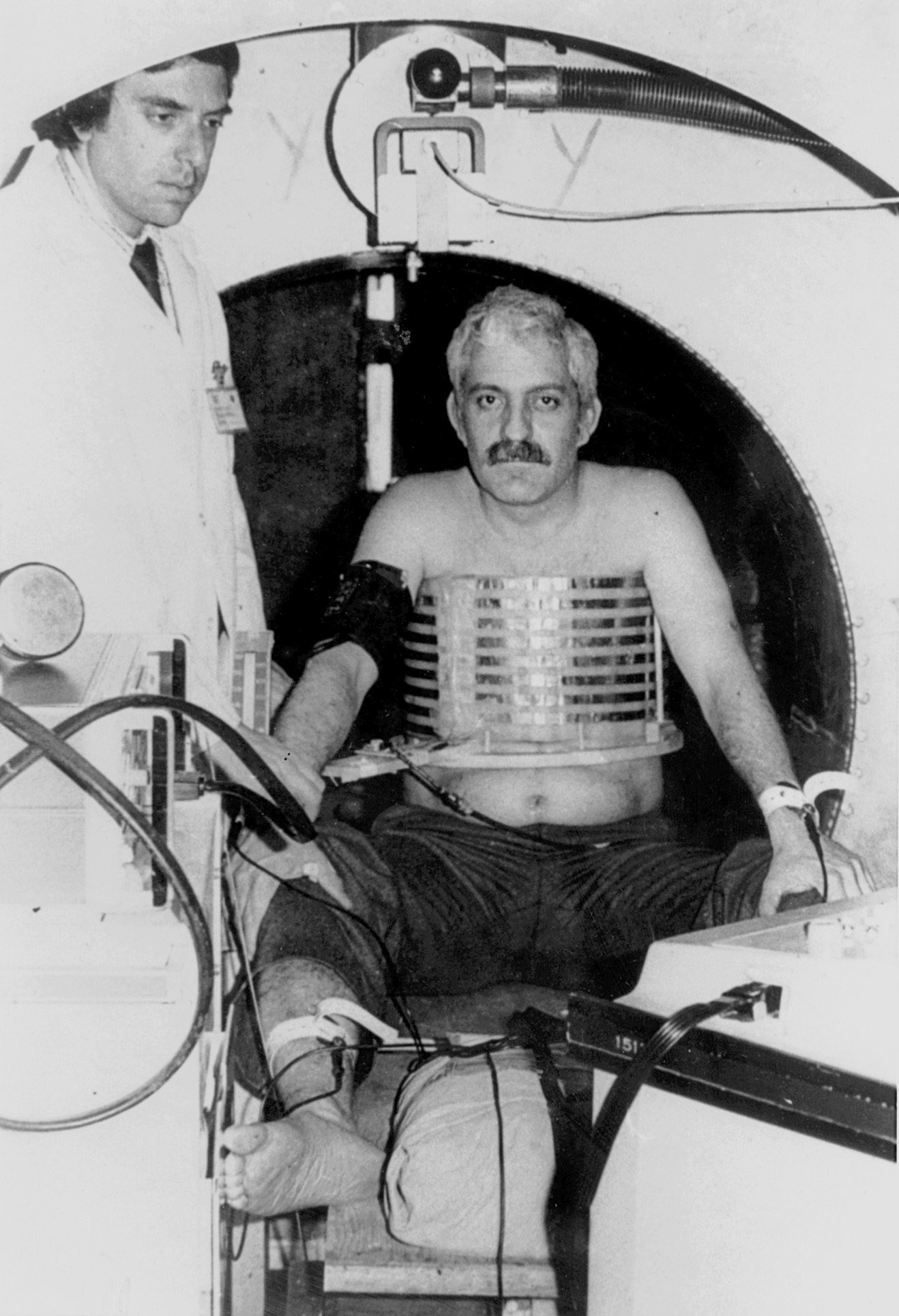
In 1933 J.D. Bernal had proposed a structural model of water that contained a considerable amount of order (Bernal and Fowler, 1933) but by the 1950s the idea of spontaneous ordering in water was out of style, and he worked out a more random structure. Max Perutz, continuing the study of hemoglobin he had begun with Bernal, became concerned with long range forces acting through water: “The nature of the forces which keep particles parallel and equidistant across such great thicknesses of water is not yet clear.” Normal wet crystals of methemoglobin contain regular layers of water 15 Angstroms thick. He suggested that a laminated structure of the water could plausibly explain his measurements. Comparing the protein crystal to montmorillonite particles, which incorporate several layers of water, each 3 Angstroms thick, each layer of water in the protein crystal would be 4 Angstroms thick, since swelling proceeds in discrete steps of that thickness. 52.4% of the volume of Perutz’s normal, stable, wet protein crystals consisted of liquid. Part of the water is a fixed monolayer, but the rest is apparently in the form of mobile, interactive, multilayers. By 1952, Perutz had decided that long range forces weren’t involved in hemoglobin crystallization, but he didn’t comment on the long range ordering of clays, tobacco mosaic viruses, and other particles and gels. In 2005, an interlaminar distance of 17.9 Angstroms, or six layers of water, still seems to be stable in hydrated montmorillonite (Odriozola & Aguilar, 2005). Clay continues to be studied in relation to nuclear waste disposal, so the effects of surfaces on water’s properties haven’t been entirely excluded from science. The interfacial water in clay has special catalytic properties that make it interesting to many researchers (Anderson, 1970).
Bernal’s and Perutz’ conformity in the 1950s rejection of long range forces and an ordered structure of water represented the dominant ideas in physics and physical chemistry, but many people (with very little financial or institutional support) were continuing to study the structure of water, both in the bulk phase and near surfaces, as in cells. Philippa Wiggins, Albert Szent-Gyorgyi, Carlton Hazlewood, Freeman Cope, and Ray Damadian were among the most active proponents of the importance of structured water in living cells. Walter Drost-Hansen showed that water near surfaces (vicinal water) is several percent less dense, and has a greater heat capacity, than bulk water, and that bulk water undergoes transitions at certain temperatures that alter its effects on enzyme reactions.
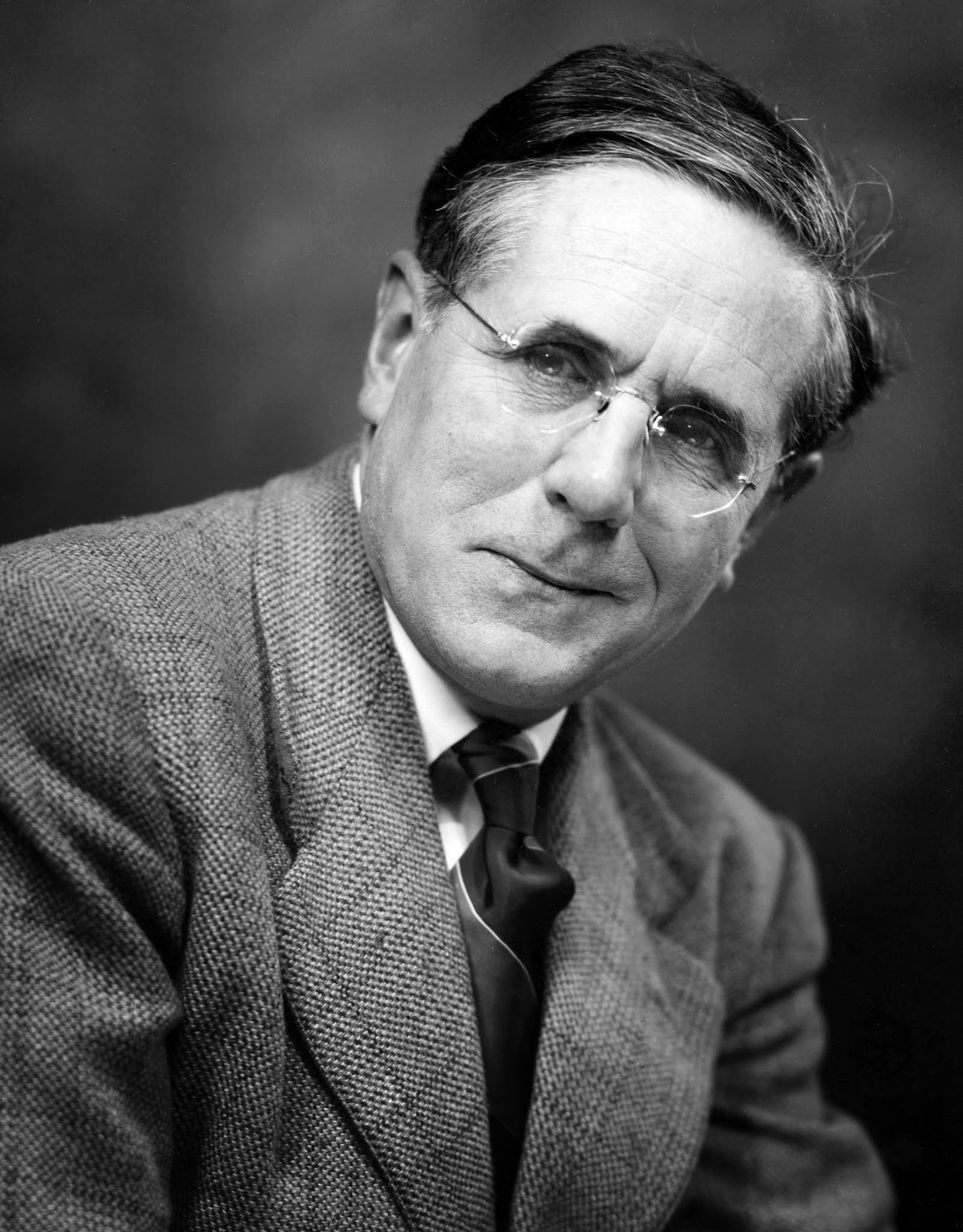
The question regarding the nature of the forces at surfaces or interfaces affects how we think about everything, from life to nuclear energy. The political and economic implications of “non-local energy” (which is most obvious at surfaces) have at times led to organized campaigns to discourage research in those areas. When Alexandre Rothen found (beginning in 1946) that enzymes and antibodies had non-local effects, several prestigious publications claimed to show how he must have been mistaken: The films he used must have been porous, despite his demonstrations of their continuity.
The methods he developed at Rockefeller Institute quickly became standard for accurately measuring very thin films. In the early 1970s, a GE employee, Ivar Giaever, visited Rothen’s lab to learn his methods. Shortly after his visit, he demonstrated his “new method” to the press. I saw an article about it in Science News, and wrote them a short letter, pointing out that the method had been developed and used by Rothen much earlier; they printed my note, which could be seen as a criticism of the author of the news article. About a week later, I got a letter from Rothen, thanking me for writing to the magazine; he said they had refused to publish his own letter explaining the situation, including his interactions with Giaever during the visit. I assume that the magazine felt some kind of pressure to protect Giaever and GE from an authoritative accusation of scientific dishonesty.
In 1968 when I began studying biology at the University of Oregon, the professor of microscopy, Andrew Bajer, posted a display of dozens of micrographs, with explanatory captions, along the halls near the entrance of one of the science buildings. The one that interested me most showed orderly rows of regularly formed objects on a smooth surface. The caption described it as clusters of sodium atoms, deposited from vapor, on a film of a polymer (formvar, I think), under which was a quartz crystal. The caption noted that the sodium atoms had condensed in a pattern representing the crystal structure of the underlying quartz. Although Rothen’s work involved proteins deposited from solution, rather than sodium atoms deposited from vapor, Bajer’s image illustrated visually the projection of the forces of crystal structure through an amorphous film. This seemed to be a graphic representation of Polanyi’s adsorption potential, a force acting on atoms in the space near a surface, as opposed to Langmuir’s local atomic force that didn’t reach beyond the first layer of atoms. The long range order in this case arranged atoms geometrically, while Rothen’s preparations showed a “projected” specificity, but of a more complex sort.
Just a few months later, someone who knew of Stephen Carter’s demonstration that fibroblasts will migrate on a glass slide coated with a gold film, toward areas of greater thickness of the metal, did a similar experiment, but with a formvar film between the gold and the cells. The cells still migrated up the gradient, toward the area of thicker gold under the film. The reaction to that publication was the same as the reaction to Rothen’s work 20 years before, the formvar films contained holes, and the cells were reaching through the film to touch the metal surface, sort of like kids peeking around a blindfold when they aren’t supposed to be watching. I didn’t understand how the holes would explain anything, even if there were holes and if the cells had put out many long filopodia to reach through the film, but in fact making a formvar film is a very standardized technique. They can be made “holey,” or like a very open net, or they can be made solid, just by choosing the concentration of the polymer used. The difference is very clear, under an electron microscope, but the professors needed an excuse for dismissing something they didn’t want to understand. Further work was discouraged by their ridicule.
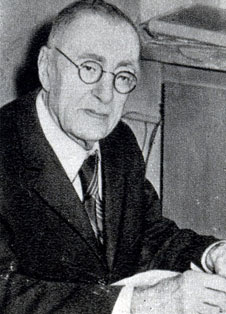
In Russia, GE had very little influence on the acceptability of ideas in science, and Boris Deryagin continued (from the 1930s until 1990) to study the properties of water near surfaces. In 1987 his group demonstrated that cells can clear particles from a space around themselves, extending more than a cell’s diameter away. This distance is similar to the cell free zone in flowing blood adjacent to the walls of arterioles, which is probably the result of multiple interacting forces. At present, processes such as cell adhesion of leukocytes and stem cells (and tumor cells) to the blood vessel wall and movement through the blood vessel into the tissues (diapedesis) is explained in terms of adhesion molecules, disregarding the plausible effects of long range attractive or repulsive forces. Clumping or sludging of red blood cells occurs when the organism is failing to adapt to stress, and could be reasonably explained by a failure of protective repulsive fields. These fields are developed and maintained by metabolism, primarily oxidative energy metabolism, and are modified by endogenous regulatory substances and external conditions, including electromagnetic and electrical fields.
100 years ago, Albert Einstein was a major influence in popularizing the “only local” dogma of atomic interactions. (His work led directly to “quantum physics,” but he never accepted its irrational implications.¹ I don’t think he ever considered that the assumptions in his [atomic-quantized] theory of the photoelectric effect were the problem.) One charged atom is completely neutralized by its association with an oppositely charged atom, and the force is described by the inverse square law, that the force decreases with the square of the distance between point charges, meaning that the force is very strong at very small distances. However, a physical surface, a plane where one substance ends and another begins, follows different rules.
¹From Einstein’s letter to Max Born, 1926: “Quantum mechanics is certainly imposing. But an inner voice tells me that it is not yet the real thing. The theory says a lot, but does not really bring us any closer to the secret of the ‘old one.’ I, at any rate, am convinced that He does not throw dice.” Cited in P. Busch and G. Jaeger, “Unsharp quantum reality,” May 4, 2010.
Different substances have different electronic affinities, creating an interfacial potential, a charged layer at the boundary. (Electrical double layers at interfaces are important in semiconductors and electrodes, but biologists avoid discussing the subject except in the narrow context of electrodes.) An electrically active surface, even though composed of atoms and electrons, projects its electrical field into space in proportion to its area. This principle, like Coulomb’s law, is long established, but often overlooked due to the habit of conceptualizing charge on the atomic scale. It is this space-filling field that Polanyi’s adsorption isotherm describes. It contributes to the strength and elasticity of crystals studied by Polanyi, their piezoelectric properties, and the emergence of semiconductivity in amorphous materials used in Stan Ovshinsky’s processes.
Long-range structural and electronic interactions in the organism create “antenna” effects sensitive to very weak fields, both internal and external. Magnetobiology is often dismissed as pseudoscience or pathological science because mainstream doctrine assumes the only possible effects of low-energy fields or radiation are chemical reactions and heating. Beginning in the 1930s, Solco Tromp showed that cells behave like liquid crystals, which can respond to extremely subtle electrical and magnetic fields.
If the adsorption potential structures water in its spatial domain, that interfacial water becomes a distinct phase with altered physical properties, including unique catalytic activities well known to clay researchers, as it enhances the dissolution of clay minerals.
Several published versions of Langmuir’s “Pathological Science” lecture exist, some incorporating later examples such as “polywater.” Langmuir died in 1957, and N. N. Fedyakin first observed polywater in 1961. Fine capillary tubes of quartz or Pyrex (internal diameter down to 0.1 mm) were suspended in a low-pressure container above distilled water. Over hours or weeks under pure water vapor at room temperature, small droplets condensed inside a fraction of the tubes. Above some droplets a second drop formed, growing as the first shrank—an anomalous phase separation in itself. The upper droplet exhibited higher density than bulk water. Fedyakin discovered its thermal expansion was greater and vapor pressure lower than ordinary water. Other investigators found higher refractive index, viscosity, and surface tension. Birefringence was observed (Fedyakin et al., 1965; Willis et al., 1969; Lippincott et al., 1969), indicating polymeric or crystalline order. Water associated with clay is likewise birefringent (Derjaguin and Greene-Kelly, 1964), with properties distinct from bulk water.
Hysteresis is a lag in response resulting from repeated perturbation that alters internal state—a memory effect requiring internal structure. Gases exhibit minimal hysteresis. Perfect elasticity is the limit of an ordered solid; most solids exhibit hysteresis where deformation does not instantly reverse. Adsorption hysteresis appears in the behavior of a water drop on an inclined plane: advancing contact angle resists wetting new surface, while receding angle resists detachment. The same is seen in evaporating or growing droplets. Recognizing this memory property in water is straightforward.
Boris Deryagin studied the elasticity and hysteresis of water near surfaces, providing evidence of internal structure. Many conservative scientists, bound to established dogmas, denied the elastic properties or “memory” of water.
Deryagin’s laboratory assisted Fedyakin with rigorous analytical methods, testing various cleaning procedures for glassware and water. Deryagin presented the findings at European conferences, sparking global interest among hundreds of researchers.
In 1966, a British laboratory obtained Deryagin’s samples and confirmed the results. The US National Bureau of Standards, using advanced microscopic infrared spectroscopy, found (Lippincott, Stromberg, Grant & Cessac, 1969) that bonds in anomalous water were stronger than in normal water, and computer matching against 100,000 known spectra yielded no match. Infrared spectra lacked the absorption bands of bulk water, and upon evaporation or heating it reverted to normal water without residue. Lippincott termed it “polywater.” Later NMR studies (Page et al., 1970; Petsko, 1970) showed deshielded protons, indicating altered electron distributions.
By 1969, the findings challenged orthodox models, coinciding with debates over government research funding priorities. Paradigm defenders grew alarmed by the widespread validation of polywater. Philip Abelson, editor of Science, used the journal to advance institutional orthodoxy.
Denis Rousseau of Bell Labs published a series of papers claiming polywater was merely sweat contamination, presenting infrared spectra of concentrated sweat (primarily sodium lactate) resembling polywater. Yet his analytical methods (electron spectroscopy) required high vacuum where normal water could not persist, and ion-bound water evaporates at lower temperatures than those needed to decompose anomalous water.
Although Rousseau’s explanation was deeply flawed, it provided the pretext mainstream science desired. Despite Deryagin’s 1972 data confirming purity, by 1973 media and Science declared polywater non-existent, claiming Deryagin had recanted. However, “polywater” was Lippincott’s term, and Deryagin maintained that the only detectable trace in anomalous water was silica.
Historical precedents for anomalous water abound. In the 1920s, W. A. Patrick and J. L. Shereshefsky observed modified vapor pressure in fine capillaries (consistent with Polanyi’s adsorption isotherm). Interfacial clay water exhibits lower density, requires high decomposition temperatures, and shows catalytic solvent properties.
Central to GE’s corporate expansion was the Manhattan Project. Upon its conclusion, GE and the Atomic Energy Commission realized subsidies could support nuclear power generation. Following Edison’s early work, X-ray machinery became highly lucrative for GE. Public assurance that medical, industrial, and military radiation was safe, controlled, and essential became paramount. In their framing, universal access to mammography would eradicate breast cancer, while living near a GE nuclear plant carried negligible exposure compared to Denver’s background radiation. Corporate public relations deployed every medium—from basic science to television advertising.
If nuclear power were truly safe as claimed, reactors would be situated in urban centers to avoid the 50% transmission loss over long distances (Hirose Takashi, The Nuclear Disaster that could destroy Japan… and the world, 2011). Admiral Rickover stated: “… every time you produce radiation, a horrible force [is released], and I think that the human race is going to wreck itself. [We must] outlaw nuclear reactors” (Congressional testimony, January 1982). Dr. Helen Caldicott noted Fukushima’s consequences far exceeded Chernobyl. Twenty-five years post-Chernobyl, radioactive cesium in German wild boar and mushrooms persists, requiring ongoing government compensation for contaminated game disposal.²
²In the US, major agencies fail to provide fundamental protection guidelines against radioactive fallout. Primary protective strategies include consuming food produced prior to fallout, utilizing aged feeds for livestock, and maintaining robust metabolic rate. Long-term mineral fertilization and carbon enrichment facilitate environmental dilution of radionuclides.
GE offered condolences to Japan, noting its reactors operated for 40 years, omitting that Fukushima Unit 1 was scheduled for decommission on March 26, 2011—at the end of its 40-year lifespan. As the disaster unfolded, TEPCO sought permits for two additional reactors at the site, while the US government maintained loan guarantees for new reactor construction.
After decades studying metallized slides, Alexandre Rothen discovered their activity and range varied on a 24-hour diurnal cycle, modifiable by magnetic fields. Simultaneously, Russian biochemist Simon Shnoll observed cyclical fluctuations in enzymatic reactions and radioactive decay rates correlated with planetary motion. Structured matter, cellular or crystalline, remains dynamically attuned to the cosmos.
In 1971–72, H. C. Dudley proposed the “neutrino sea” as an equivalent to the classical luminiferous ether. In correspondence, I inquired whether biological systems might resonate with neutrinos. Dudley’s theory that atomic nuclei interact with a neutrino background—modifying decay rates—made biological resonance plausible. In October 1972, he published theoretical work warning that under specific conditions nuclear reactors could become catastrophically unstable. Simultaneously, physicist J. L. Anderson observed non-Poisson decay in carbon-14 within a monolayer on metal surfaces.
Mainstream physics rejected these findings as impossible, arguing surface adsorption forces are negligible compared to nuclear binding energies. Subsequent experiments by Dudley and others confirmed Anderson’s results: subtle physical modifications can influence nuclear reaction kinetics.
Anderson and Dudley’s findings attracted little follow-up, escaping organized attacks but languishing without institutional funding.
Corporate interests maintain that low-level ionizing, microwave, and electromagnetic radiation is benign, rooted in reductionist dogma. Though scientifically obsolete, this authoritarian paradigm persists through corporate cultural dominance.
Pharmaceutical, military, and industrial interests direct scientific institutions for private profit, making fundamental advancement in knowledge an intrinsic threat to the system.
References
- DM Anderson, Role of interfacial water and water in thin films in the origin of life, http://history.nasa.gov/CP-2156/ch1.4.htm; DM Anderson and AR Tice, 1970, Low-temperature phases of interfacial water in clay-water systems, Crrel Research Reports, Army Dept, US, Res Rpt 290. “The low temperature exotherms do not depend critically upon water content, but clearly they are related to clay mineral and exchangeable cation type. The evolution of heat in this temperature range probably corresponds to a phase change in the interfacial water.”
- J. Physical Chemistry 76(4), 1976, “Non-Poisson distributions observed during counting of certain carbon-14 labeled (sub) monolayers,” Anderson JL.
- Biophys. Chem. 113 (2005): 245-253, Structural and kinetic effects of mobile phone microwaves on acetylcholinesterase activity, Barteri M, Pala A, Rotella S.
- J. Chem. Phys. 1, 515, 1933, Bernal JD & Fowler RH.
- J Cell Biol 1964, 127(1):117-128. Electric field-directed fibroblast locomotion involves cell surface molecular reorganization and is calcium independent, Brown MJ and Loew LM.
- Nature 1965 208(5016):1183-7, Principles of cell motility: the direction of cell movement and cancer invasion, Carter SB.
- Nature 1967 213: 256-60, Haptotaxis and mechanism of cell motility, Carter SB.
- Popular Science, June 1973, How you can grow your own polywater, PA Christian and LH Berka: “Some experts claim this rare substance doesn’t exist. Yet here’s how you can harvest enough of it for own experiments.” Pyrex thermometer tubing from a mail-order scientific supply store ….
- Biophysical Journal 9 (1969), 303-319, Nuclear magnetic resonance evidence using D2O for structured water in muscle and brain, Cope FW.
- Langmuir 3(5): 607-612 (1987), Structure of water in thin layers, Deryagin BV, Churaev NV.
- Langmuir 3(5): 601-606 (1987), Modern state of the investigation of long-range surface forces, Deryagin BV.
- Trans. Faraday Soc. 60 (1964): 449-455, Birefringence of thin liquid films, Derjaguin BV and Greene-Kelly R.
- Pure & Appl. Chem. 61(11) (1989): 1955-1958, Influence of surface forces on the formation of structural peculiarities of the boundary layers of liquids and boundary phases, Derjaguin BV. “The surface forces acting beyond the range of boundary monolayers, are able to change the concentration of dissolved ions and molecules.”
- Trans. Faraday Soc. 60, 449 (1964), Reversible and irreversible modification of the properties of liquids under the influence of a lyophilic surface, Derjaguin BV and Green-Kelly R. “Evidence is given of the reversible character of the modification of the properties of liquids under the action of surface forces.” (Lyophobic substrate, a few molecules thick.) “In other cases, e.g. water-glass, water-quartz, fatty acids-metals, the substrate alters the structure of the liquid and the properties depending on it to a depth of many tens or hundreds of monolayers.” (Lyophilic substrate). (the electroviscous effect, proportional to the square of the zeta-potential).
- Fed Proc Transl Suppl. 1965 24(3):431-3, Effect of constant magnetic field on motor activity of birds, El’darov AL & Kholodov YA.
- Physics A: Statistical and Theoretical Physics 172 (1-2), 161-173. The structure and properties of vicinal water: Lessons from statistical geometry, Etzler FM, Ross RF, Halcomb RA, (3% greater density, 25% greater heat capacity).
- Dokl. Akad. Nauk. SSSR 165 (1965): 878, Fedyakin N.N.
- FEBS Lett. 367 (1995): 53-55, Changes in the state of water, induced by radiofrequency electromagnetic fields, Fesenko EE and Gluvstein A.Ya.
- D. Green-Kelly, B.V. Derjaguin, Research in Surface Forces vol. 2, p. 117, Consultants Bureau, NY (1966). (Birefringence of water near surfaces, in layers up to 200 A thick. Also birefringence of the boundary layers of benzene derivatives.)
- Nature (submitted 1969) Hazlewood CF, Nichols BL, Chamberlain NF.
- Science 164 (1969), p. 1482, Lippincott ER.
- Med. Hypotheses 66 (2006) 518-526, Cell hydration as the primary factor in carcinogenesis: A unifying concept, McIntyre GI.
- Med. Hypotheses 69 (2007): 1127-1130, Increased cell hydration promotes both tumor growth and metastasis: A biochemical mechanism consistent with genetic signatures, McIntyre, GI.
- J Chem Phys 123, 174708, 2005, Stability of Ca-montmorillonite hydrates: A computer simulation study, Odriozola G & JF Aguilar JF.
- Transactions of the Faraday Society, vol. XLII B, 1946, “The composition and swelling properties of haemoglobin crystals,” Perutz M.
- Science 171(3967), 170-172, “Polywater” and sweat: Similarities between the infrared spectra, D.L. Rousseau.
- Biochim Biophys Acta 1975; 403(1):89-97, Synchronous reversible alterations in enzymatic activity (conformational fluctuations) in actomyosin and creatine kinase preparations, Shnoll SE, Chetverikova EP.
- Szent-Gyorgyi, A., 1957, Bioenergetics, Academic Press, Inc. New York.
- Prog. Polym. Sci. 20 (1995): 1121-1163, High and low-density water in gels, Wiggins PM.
- Nature 222, 159-161, 1969, “Anomalous” Water, Willis E, GK Rennia, C Smart BA Pethica.